The Thermostat-Free Conservatory: Layering Cane Furniture for a Proper British Winter

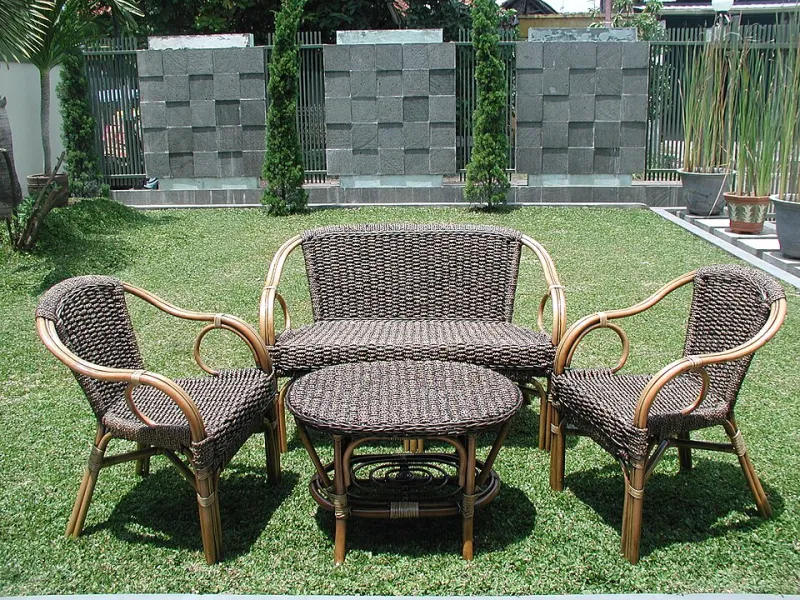
Photo: cosy British conservatory with cane sofa wool throws thermal curtains winter, via img.youtube.com
Conservatories have a reputation problem in Britain. From May to September they are the brightest room in the house; by Bonfire Night they can feel like a glass box with delusions of grandeur. The good news is that you do not need to leave the heating on all evening to make yours usable. With the right cane furniture, a few well-chosen textiles and some sensible layout changes, a chilly conservatory can become the cosiest room in the house — no plumber required.
Sort the draughts before you buy a throw
It is tempting to start with cushions, but cold air rarely comes from nowhere. Check the obvious first: the door between the conservatory and the house, any external doors, and the gaps around window frames. A good draught excluder at the base of a door is unglamorous and remarkably effective. So is a door curtain, provided it is thick enough to do something and short enough not to trip anyone carrying a cup of tea.
Thermal curtains are the other quiet hero here. Floor-length curtains with a thermal lining, closed at dusk, stop warmth escaping through the glass and stop the room feeling like a bus shelter. If you have roof blinds, use them too. The goal is not to seal the room like a Tupperware box — conservatories need some ventilation to keep condensation in check — but to stop the cold pouring in and the warmth sliding out.
Cane furniture is a warm base, not a cold material
Cane and rattan get a bad reputation for being summery, probably because we associate them with garden rooms and 1970s conservatories. In practice, natural cane has a textured, matte surface that feels much friendlier than glass, metal or glossy painted timber. It also takes cushions and throws beautifully, which is where the real warmth comes from.
If you are buying new cane furniture for winter use, look for a close weave rather than a very open one. Tightly woven cane feels more substantial and gives cushions something to sit against. A sofa or armchair with a proper seat pad, a supportive back cushion and removable covers is a better bet than a decorative chair that looks lovely and feels like a picnic bench. Natural cane also dislikes damp, so keep an eye on condensation and wipe frames dry if the windows are streaming.
Textiles do the heavy lifting
This is not the moment for minimalism. Wool throws, brushed cotton, boucle cushions and a good rug will do more for the room than a small heater ever will. Think in layers: a washable rug with an underlay to take the chill off the floor, a throw over the back of the sofa, a couple of cushions with feather or recycled-fibre pads, and a sheepskin or two on the chairs. Natural fibres such as wool and cotton are breathable, which matters in a room that can swing from sunny to chilly in an afternoon.
A word on colour: this is a bright room, so you can afford to go warmer than you might elsewhere. Rust, ochre, oatmeal, olive and deep navy all sit comfortably with cane. If the conservatory is mostly white and glass, a darker rug and heavier curtains will immediately make it feel more like a living room and less like a waiting area.
Create an inner room within the glass
One of the simplest ways to make a conservatory feel warmer is to stop treating the whole space as one room. Pull the seating away from the glass and group it around a rug. A sofa with its back to the garden, a pair of armchairs at right angles and a side table with a lamp will create a snug within the bigger space. You are not blocking the view; you are giving the room a centre of gravity.
If the conservatory is long and narrow, use a low bookcase or a folding screen to break up the draught path from the door. A console table behind the sofa can hold a lamp, a basket of throws and the inevitable stack of newspapers. And do not forget the lighting: a warm floor lamp or table lamp at eye level makes far more difference to how cosy a room feels than a brighter overhead light. Use the big light sparingly and let the corners glow.
A small note on heating and damp
If you do use a heater, use it deliberately rather than leaving it on all day. A targeted fan heater or oil-filled radiator near the seating area is more efficient than trying to warm the whole conservatory. But the real low-energy win is stopping the cold getting in and making the room comfortable enough that you reach for a throw before you reach for the thermostat.
Keep an eye on condensation, especially on cold mornings. Wipe down windows and frames, open a vent for a while, and make sure air can circulate behind curtains and around furniture. Cane furniture will thank you for it, and so will the paintwork.
The winter-ready buying checklist
- Choose close-weave cane or rattan with a sturdy frame and comfortable seat cushions.
- Look for removable, washable cushion covers if the room gets a lot of use.
- Buy thermal-lined curtains that reach the floor or just above it.
- Add a rug with an underlay rather than a thin mat.
- Pick wool or cotton throws over synthetic fleece where possible.
- Use a draught excluder at the main door and consider a door curtain.
- Group furniture around a rug and away from the coldest glass.
- Add warm lamp light at table height rather than relying on ceiling lights.
None of this requires a builder, a new roof or a second mortgage. It is mostly a case of treating the conservatory as a proper room rather than a glass corridor. Cane furniture gives you the texture; the textiles give you the warmth; and a bit of layout common sense gives you a room you will actually want to sit in when the nights draw in.