Pre-Loved Cane, Properly Vetted: A Conservatory Shopper’s Checklist

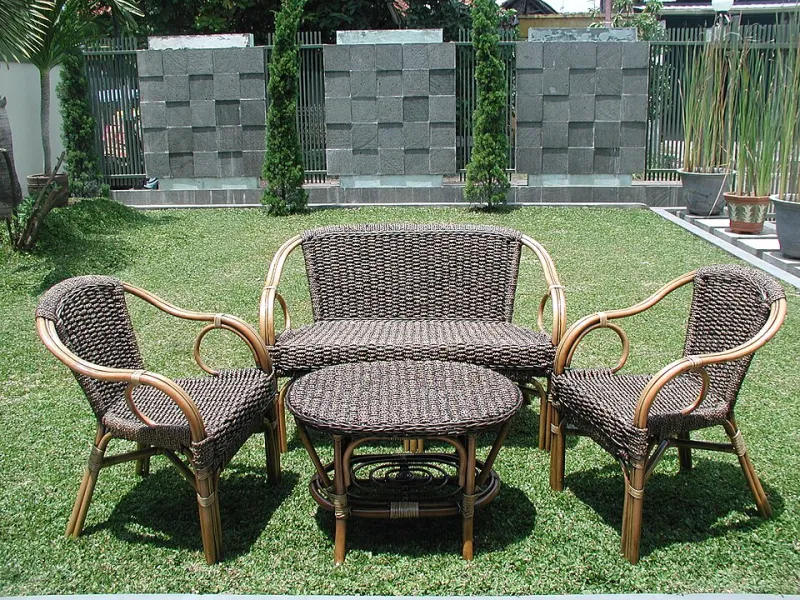
Photo: second hand cane conservatory furniture inspection charity shop, via s2.dmcdn.net
Second-hand cane is one of the quiet bargains of British home furnishing. A well-made chair that has spent twenty years in a dry front room can outlast a flat-pack set bought last spring, and it often costs less than a takeaway for four. The catch is that cane hides its history. A photo on a marketplace listing can make a damp, wobbly chair look like a vintage find. A twenty-minute inspection before you part with cash is the difference between a bargain and a restoration project you did not sign up for.
Where good cane turns up
Charity furniture shops, local auction rooms, house clearance sales, car boot fairs and the usual online marketplaces all turn up cane conservatory pieces. The best buys often come from house clearances after a single owner has used the furniture indoors, away from damp. Be wary of anything described as having been in a conservatory for years unless the seller can tell you how it was heated and ventilated. Conservatory life is hard on cane, even when it looks glamorous in the photos.
Start with the frame, not the cushion
Cushions are easy to replace. Frames are not. Before you fall for the shape, turn the chair over or look behind the sofa.
- Check the joints where the cane meets the frame. They should be tight, not opening like a book.
- Press the legs gently. A wobble at the floor usually means a loose joint higher up.
- Look at the seat rails and the underside of the seat. Dark water stains, soft patches or white bloom are warning signs.
- Run a hand over the arms and back. Cane should feel firm and springy, not spongy or brittle.
- Look for broken strands, split binding or areas where the weave has been cut and glued back badly.
- Check metal frames for rust, especially at the feet and screw holes.
A little surface wear is normal. A chair that has been used has probably been loved. Structural movement is different.
Surface wear versus structural trouble
Surface wear looks like this: faded colour on the arms, a few scuffs on the frame, slightly dry cane, a cushion that has seen better days. Those are cosmetic and usually fixable.
Structural trouble looks like this: a seat that sags when you press it, joints that move when you twist the chair, cane that crumbles at the edge, a leg that has been repaired with a metal plate and hope, or a smell that does not leave after airing. Walk away from those unless the piece is rare, cheap and you enjoy restoration.
The smell and damp test
Cane absorbs smells as readily as it absorbs moisture. A musty whiff in a cold garage is not proof of disaster, but it is a prompt to look closer. Ask to see the piece indoors if possible. If it has been stored in a shed, check for green mould, black speckles and soft cane at the base. Damp damage often starts at the feet and the back, where airflow is poorest. A piece that smells of cigarettes or pets will need more than a wipe, and that should affect the price.
What is a fair price in 2026?
Prices vary by region, condition and style, but these are sensible benchmarks for ordinary second-hand cane in good used condition:
- Single side chair: £20–£55
- Good tub or conservatory chair: £50–£140
- Two-seater cane sofa: £120–£300
- Three-piece conservatory suite: £250–£650
- Larger or unusually shaped sets: £400–£900
A named maker, a genuinely vintage piece or a set with good quality cushions can push above these figures. A piece with structural damage should be well below them, because you are buying a project. Always compare with what new cane costs this year; a £300 second-hand sofa is only a bargain if it is dry, sound and comfortable.
A simple restoration plan
Once you get the piece home, resist the urge to scrub it. Cane dislikes soaking.
- Vacuum with a brush attachment to lift dust from the weave.
- Wipe with a barely damp cloth and mild soap, then dry immediately with a towel.
- Let it air in a dry room for a few days before putting cushions back.
- Tighten screws and re-glue loose joints with wood glue; clamp gently and leave overnight.
- Feed dry wood with a suitable furniture polish or wax, but do not slather it on.
- Replace tired cushions with breathable covers that suit the room.
- For small breaks in the cane, use a repair kit or ask a local restorer rather than hiding it with paint.
A coat of paint can freshen a sound piece, but it will not fix rot. If the cane is soft or the joints are failing, repair first or walk away.
Questions to ask before you travel
Ask for close-up photos of the joints, the underside and the back. Ask how long the piece has been in a conservatory, whether the room is heated and whether there has been any damp. Ask if the price includes cushions. Ask for measurements, including the height of the arms, because conservatory sofas can be surprisingly deep. A seller who answers these questions is usually a seller worth visiting.
The final check
Sit on it. Twist gently. Listen for creaks that sound like movement rather than age. If it feels solid, dry and comfortable, and the price sits within the benchmarks above, you have probably found a good one. Second-hand cane is not a compromise; it is a way to get character, comfort and a smaller bill. You just need to check the bones before you fall for the look.