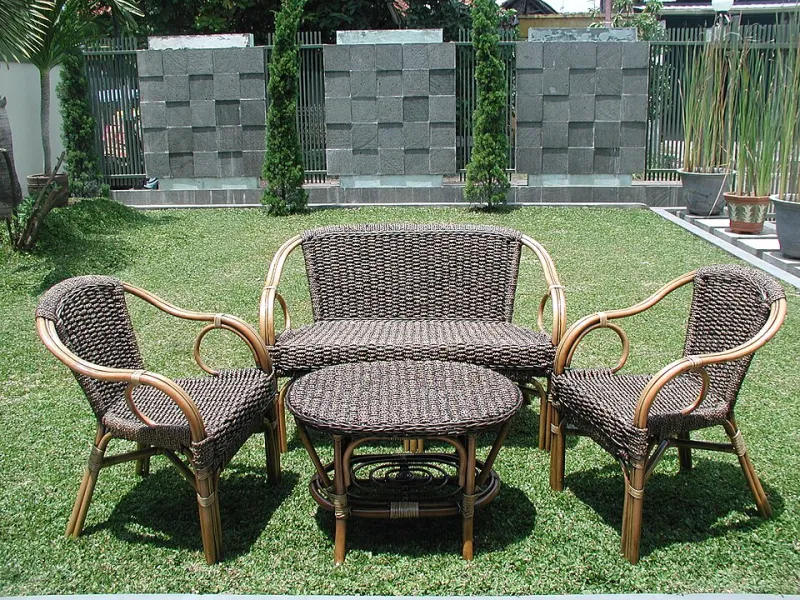
Before You Blame the Cane: A 20-Minute Comfort Check for Conservatory Chairs
There is a particular moment on a sunny Saturday when a conservatory chair stops being a place to linger and starts being a place to shift about. You shuffle forward, plump the cushion, move to the other chair, then wonder whether the cane has had enough. Often it has not. Often the real problem is a tired cushion, a stretched seat or a joint that has begun to complain quietly. A short, methodical comfort check can save you from buying a replacement before you need one.
Set aside twenty minutes, put the kettle on and work through the chair rather than around it. The goal is not to become a furniture restorer overnight. It is to separate the small, fixable annoyances from the jobs that deserve a professional eye.
Start with the seat, not the cushion
Take the cushion off first. Press the flat of your hand into the middle of the cane seat. It should give a little, then push back. If your hand sinks until it meets the frame, the webbing or cane matting underneath is probably stretched. Turn the chair over, if you can do so safely, and look at the underside. Loose tacks, split strands, frayed webbing or a seat that has clearly bowed are all clues.
Conservatories are hard on cane. They can be warm and dry in summer, cooler at night and prone to condensation in the shoulder months. Natural materials move with those changes. A little give is normal; a hammock effect is not. If the seat feels soft only in one spot, try a firm seat board or a cut-to-size cushion pad before assuming the cane itself has failed.
The cushion has three jobs to do
A conservatory chair cushion is not just decoration. It has to spread your weight, keep its shape and let some air move. When it stops doing one of those jobs, the chair feels older than it is.
Look for the obvious signs: flattened foam at the front edge, a cover that has gone baggy, or a cushion that folds in half and stays folded. A quick test is to press the centre, then the edge. If the edge collapses while the middle stays firm, you are probably sitting on a cushion that has given up rather than a chair that has failed.
For UK homes, a sensible replacement is a high-resilience foam cushion, often sold as reflex foam, at around 5 to 8 cm thick for a dining-height chair. Wool-wrapped foam is comfortable and less likely to feel clammy in a warm room. Hollowfibre is soft and inexpensive but needs regular plumping and will flatten faster. Latex can be springy and breathable, though it is heavier and dearer. Memory foam is best avoided in a hot conservatory because it softens more than you want on a warm afternoon.
You can buy foam cut to size from upholstery suppliers, or look for ready-made conservatory chair cushions at places such as Dunelm, John Lewis and local independent furnishers. Check the tie length before ordering. Cotton webbing ties, wide fabric ties or discreet Velcro tabs all help keep the cushion in place without pulling the cover out of shape.
Listen for rubbing and wobble
With the chair on a level floor, sit down gently and rock side to side. A small creak is not a crisis. A regular click, a visible shift at a joint or a back that moves independently of the seat is worth investigating. Run your fingers around the joints and look for fine cracks, opened cane wraps or dark rubbing marks.
Rubbing is often caused by something simple: a zip on the cushion cover, a loose tie, a hard floor protector or a chair pushed against a radiator. Felt pads under legs and a quick check of cushion zips can quieten a lot of complaints. Do not be tempted to force a wobbling joint tighter with household screws unless the chair was built with visible bolts. Cane furniture often relies on glued mortise-and-tenon joints and woven cane, and heavy-handed tightening can make things worse.
A simple twenty-minute route
Minutes 0 to 5: remove cushions and check the seat for sag, splits and loose webbing. Minutes 5 to 10: test each cushion for rebound and look at the cover seams and ties. Minutes 10 to 15: sit, rock and listen for joint movement. Minutes 15 to 20: make a note of what you found and try the cheapest fix first, usually a firmer pad or a new cushion tie.
Tighten, pad or call someone?
Tighten if the issue is a loose cushion tie, a slipping seat pad or a chair leg that needs a felt foot. Pad if the cane seat is sound but feels hard, or if the cushion has flattened. A firm seat pad, a folded wool blanket under the cushion or a cut-to-size foam topper can buy years of comfort.
Call a cane repairer if the seat cane is broken, the frame rocks at a joint, strands are lifting, or the chair feels unstable. Look for a local furniture restorer, a basketware repairer or a conservatory furniture specialist who handles cane and rattan. Ask for photographs to be assessed before you transport anything. A good repairer can often re-web a seat, replace broken cane and reglue a joint without touching the finish.
A conservatory chair should feel like the reason you bought it, not the reason you leave the room. Check the simple things first. Most of the time, the cane is doing its job and the comfort has simply worn thin at the cushion.