Cane, Rattan, Wicker: What You're Actually Buying for a British Conservatory
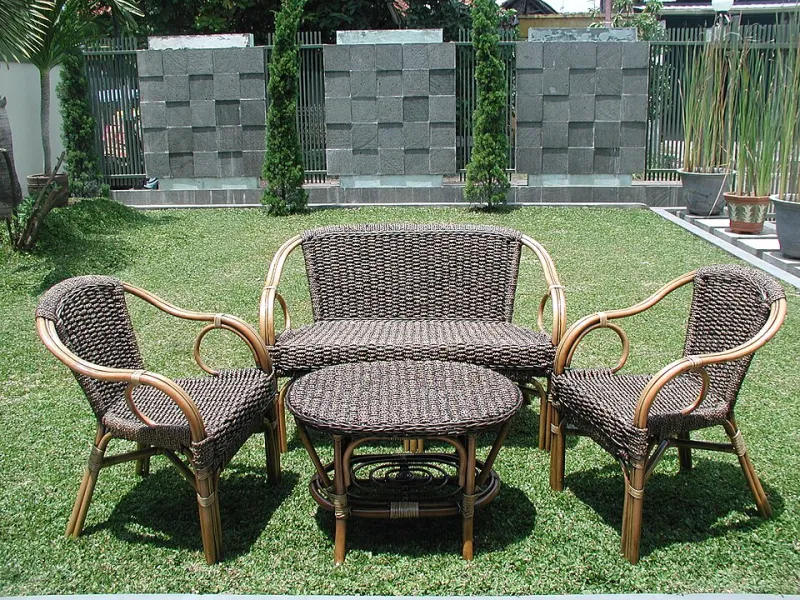
Photo: Tolleya, CC BY-SA 3.0, via Wikimedia Commons
Type 'cane furniture' into any UK retailer and you will get a confusing mix of conservatory sofas, garden chairs, hanging egg seats and something described as 'natural wicker weave'. The labels are used loosely, and that matters if you are buying for a room that gets hot in July, cold in January and condensation on the inside of the windows in between.
This is not a botanical lecture. It is a buyer's guide to the three words you will see most often, what they actually mean in a retail context, and which one is likely to suit a British conservatory.
The short version
Cane is a material, usually made from the outer skin of rattan. Rattan is a climbing palm. Wicker is a weaving technique, not a material. In shops, 'cane furniture' often means furniture made from rattan core or peel, woven in a wicker style. 'Wicker furniture' might be willow, rattan, cane, paper cord or synthetic resin. And 'rattan furniture' can mean natural rattan poles, woven rattan, or synthetic rattan designed to look like the real thing.
So the label on the ticket is only half the story. The other half is the frame, the weave, the cushion and how the piece is finished.
What each one actually is
Natural cane is made from the peeled outer skin of rattan, cut into strips and woven. It is light, flexible and has a distinctive smooth, slightly glossy surface. Cane is often used for chair backs, seat panels and decorative binding. It can be very strong for its weight, but it is not fond of standing water.
Rattan is the raw material: a palm that grows in Southeast Asia. The solid poles are used for frames, while the peel is used for cane and binding. Rattan furniture is often made by bending poles into shape and weaving thinner strips around them. Good rattan furniture feels springy and solid; cheap rattan furniture can feel like a prop from a themed pub.
Wicker is the technique of weaving flexible materials into furniture. Willow is the traditional British wicker material, but rattan, cane, bamboo, sea grass and synthetic resin are all used. A 'wicker chair' tells you how it was made, not what it is made from. That is why two wicker chairs can have wildly different care requirements and price tags.
How they cope with conservatory humidity and condensation
A conservatory is a microclimate. It can be warm and bright at 3pm and cold and damp by 8pm. Condensation forms on single glazing and metal frames. Natural cane and rattan are breathable, which helps, but they are not waterproof. If they sit in damp conditions for long periods, they can develop mould, soften or crack. Painted or varnished finishes can flake if water gets underneath.
Synthetic rattan, usually made from HDPE or a similar resin, is generally the most forgiving in a conservatory. It does not absorb water, it can be wiped down and it is often UV-stabilised to slow fading. It will not feel as warm to the touch as natural cane, but it is a sensible choice if your conservatory is prone to condensation or you leave the windows open in summer.
Natural willow wicker is best kept for dry, sheltered spots. It is a lovely material, but a conservatory with a leaky roof or a habit of misting up is not its natural home.
What to check before you buy
Start with the frame. A good cane or rattan sofa should have a solid hardwood, rattan-pole or metal frame, with joins that feel tight rather than creaky. Ask what the frame is made from if the listing does not say. Check the weave: tight, even weaving is a sign of care, while loose strands and visible gaps will catch on clothing and weaken over time.
Look at the feet. Bare cane or rattan feet can mark floors and soak up water. Felt pads or plastic glides are a small detail that makes a difference. If the piece has cushions, check whether the covers are removable and washable. In a conservatory, cushions take the brunt of sunlight, condensation and the occasional dropped biscuit.
If you are buying natural cane, ask whether it has been sealed or varnished and what the recommended cleaning method is. If you are buying synthetic rattan, check that it is UV-stabilised and suitable for indoor use. Some synthetic weaves are designed for full outdoor exposure and can feel stiff and plasticky indoors.
Price expectations
At the budget end, a natural cane armchair might cost £80 to £200, with sofas from around £350 to £900. Mid-range natural rattan sets with proper cushions tend to sit between £600 and £1,500. Synthetic rattan conservatory furniture is often similar, with larger corner sofas and dining sets reaching £1,500 or more. Willow wicker can be inexpensive for small pieces, but well-made willow furniture is a craft product and priced accordingly.
As with most furniture, the cushion is often where the money goes. A cheap frame with a decent cushion can be fine; a good frame with a thin, flat cushion will feel disappointing within a month. Factor in the cost of replacement cushions if the covers are not washable.
Care advice that actually matters
Dust cane and rattan with a soft brush or vacuum attachment rather than a soaking cloth. Wipe with a barely damp cloth and dry immediately. Keep furniture away from radiators and direct heat, which can dry out natural cane and cause splitting. Rotate cushions regularly so they fade and flatten evenly. If condensation is a recurring problem, ventilate the room daily and wipe down frames after cold nights.
For synthetic rattan, a damp cloth and mild soap is usually enough. Avoid abrasive cleaners and pressure washers, even if the piece is described as outdoor-ready. For natural cane, avoid soaking and never leave it standing in water. If mould appears, treat it promptly with a diluted vinegar solution on a cloth, then dry the piece thoroughly in a ventilated room.
A simple decision checklist
- Is the room damp or prone to condensation? Choose synthetic rattan or a well-sealed natural piece, and ventilate regularly.
- Will the furniture sit in direct sun? Check for UV-stabilised synthetic weave or accept that natural cane will mellow over time.
- Do you want the look and feel of natural cane? Buy the best frame you can afford and keep it dry.
- Are the cushions removable and washable? If not, factor in replacements.
- Does the frame feel solid at the joints? Give it a gentle rock before you buy.
- Is the weave tight enough not to snag throws and clothing?
- Will the feet mark your floor? Add felt pads.
- Have you measured the space? Conservatory furniture looks smaller in a showroom than in a narrow sunroom.
The honest answer is that all three can work in a British conservatory, but not in the same conditions. Natural cane and rattan reward a dry, ventilated room and a bit of care. Synthetic rattan is the practical choice for a room that mists up. Wicker is a technique, so judge the piece by its material, not its label. Buy for the room you have, not the Mediterranean fantasy, and your furniture will last through many more British summers and winters.