The Departure Walkthrough: Holiday-Proofing a Cane Conservatory in Under an Hour

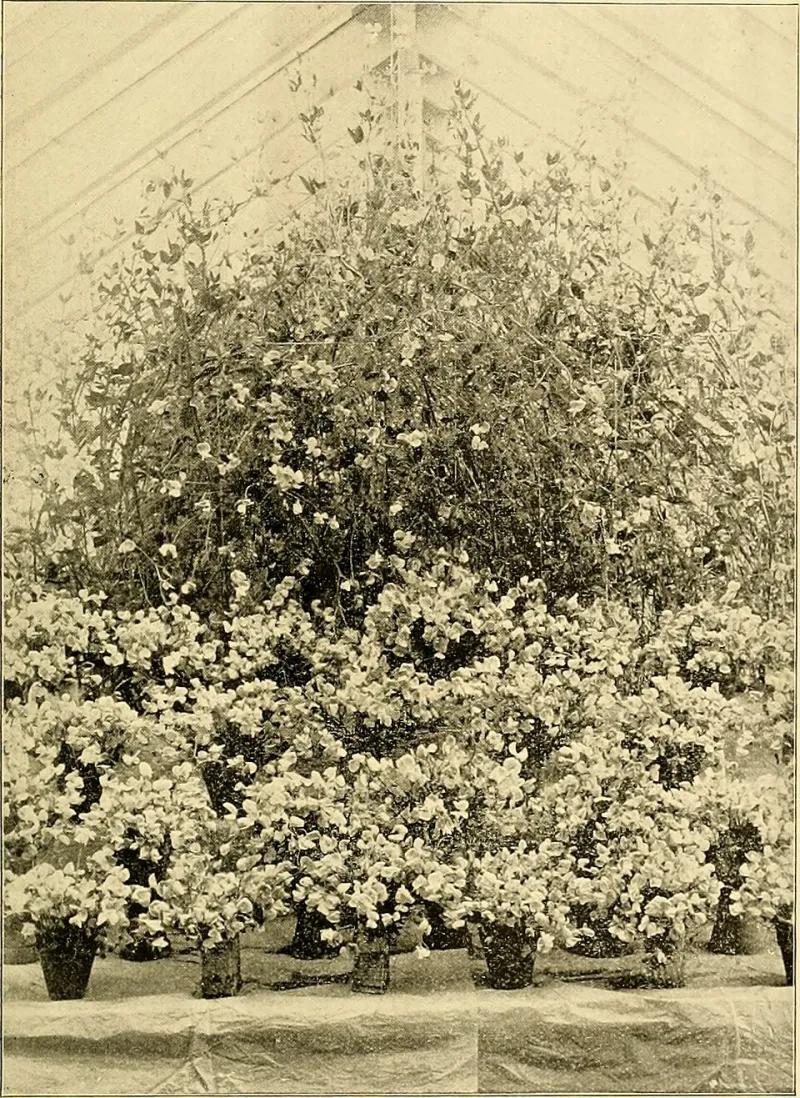
Photo: After: Thomas Hornor Printed by: Godefroy Engelmann I, Public domain, via Wikimedia Commons
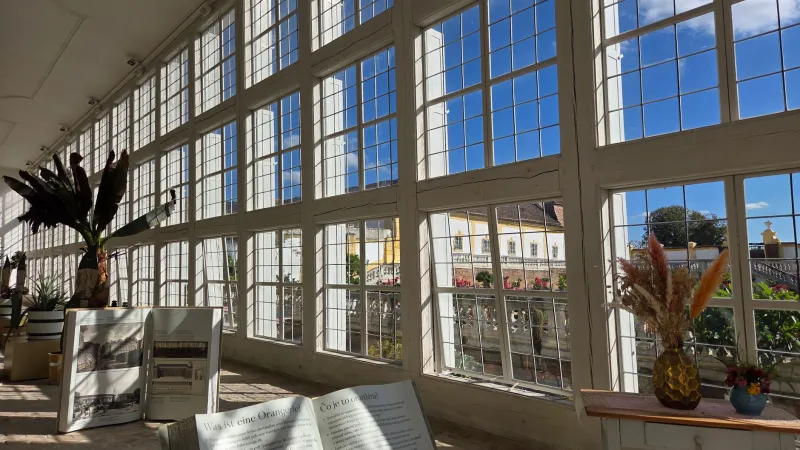
There is a particular sort of quiet in a conservatory the morning you leave for a holiday. The bags are by the door, the fridge has been emptied of anything that might develop opinions, and the glass room is sitting there looking innocent. If that room is full of cane furniture, it is worth giving it one last, unhurried look before you turn the key. Not because cane is fragile — it is not — but because a conservatory can behave like a greenhouse while you are away, and a week of strong sun or a sudden damp spell is easier to manage before it happens.
The good news is that holiday-proofing a cane conservatory is mostly a matter of small adjustments. You are not wrapping the room in cotton wool. You are simply leaving it in a sensible starting position: shaded enough, ventilated enough, dry enough, and free of the little soft furnishings that hold onto moisture. Think of it as a departure walkthrough rather than a deep clean. Done calmly, it takes less than an hour.
Start with the room’s job, not the checklist
A conservatory has one main job in British weather: it moderates the gap between the garden and the house. In July it can get hot fast. In November it can be cool and slightly clammy by turns. Cane furniture copes with both, but it prefers not to be left in a sealed glass box during a heatwave or a damp fortnight. Before you start moving cushions, ask what the room will be doing while you are away. Will it be locked and empty? Will a neighbour pop in? Is there a plant-sitter, a cat-feeder, or a builder coming to look at the gutter? The answers change what you need to do.
If no one is coming in, aim for steady, gentle ventilation rather than a sealed room. If someone is visiting, leave them a note that is clearer than a cryptic text message. A cane conservatory left empty is usually fine; a cane conservatory left empty with the blinds down, the cushions stacked and a tray of seedlings sweating on the sill is the one to avoid.
Sun and heat: take the edge off
Cane and rattan are natural materials, and strong sun will gradually fade or dry them. A holiday is not going to ruin a well-made chair, but it is worth reducing the intensity. Close the blinds or pull the conservatory roof blinds part-way down on the side that takes the afternoon sun. You do not need total darkness — just a layer between the furniture and the fiercest light. If you have loose seat pads or a throw that lives on the sofa, move them out of direct sun or into the house.
Check that nothing is pressed right against the glass. A cane chair back that normally sits a few inches away can end up touching the window when it is moved for cleaning. Give furniture a little breathing room. If you have a fan, leave it off; there is no point running it in an empty room. The aim is shade, not air-conditioning.
Air and damp: a gentle through-draught
British conservatories can swing from warm and dry to cool and damp in the space of a day. Cane handles normal humidity well, but sitting in still, damp air for a fortnight is not ideal. Before you lock up, open the doors and windows for twenty minutes if the weather allows. Let the room exchange air with the house and garden. Then leave a small vent or a window on the security latch if it is safe to do so. A conservatory that can breathe is a conservatory that is less likely to greet you with a musty smell.
If you have a dehumidifier, you can leave it on a timer or a low setting, but do not seal the room and run it flat out. That is overkill for most homes. A simple vent and a little air movement is usually enough. If the conservatory has a radiator, leave it on its frost setting rather than off entirely in colder months. You are guarding against damp, not trying to keep the room tropical.
Cushions, throws and anything that holds a memory of the weather
Soft furnishings are the part of a cane conservatory that notices the weather first. Cushions, seat pads, throws and fabric-covered mats can hold onto moisture, especially if they have been in a room that cooled down overnight. Before you go away, take the loose cushions indoors. If they are staying, stand them on edge rather than stacking them flat, so air can move around them. Better still, put them in a spare room or a cupboard. A cane chair with a bare seat for a week is not a sad sight; it is a sensible one.
Give the furniture a quick wipe with a dry cloth or a barely damp cloth, then let it dry fully before you close the room up. Do not polish cane just before a holiday. Polish and heat are not a helpful combination, and a freshly polished surface can attract dust while it settles. Save the deeper clean for your return.
Plants and pots: the quiet culprits
Conservatory plants are lovely, but they are also little reservoirs of moisture. A tray of seedlings or a row of leafy pots can raise the humidity in a small glass room. If someone is watering them while you are away, ask them to water in the morning rather than the evening, and to avoid leaving standing water in saucers. Move plants away from direct contact with cane furniture. A fern brushing against a chair is charming in a photograph and less charming when it leaves a damp patch.
If plants are being moved outdoors or into another room, check the floor underneath them. A pot that has sat in one place for months can leave a ring or a patch of trapped damp. Dry the area before you leave. It is a small thing, but it is exactly the sort of small thing that makes a welcome-home surprise.
The final five-minute sweep
Before you turn the key, do a quick walk around the room with fresh eyes. Look up at the roof blinds and check they are secure. Look down at the floor for anything that could blow about if a window is left ajar. Check that no cane piece is leaning against a radiator or a window. Make sure the door between the house and the conservatory is closed if you want to keep the house’s heat in, or open if you want the conservatory to share the house’s stable temperature. Neither is wrong; just decide and do it deliberately.
Then take a photograph of the room. It sounds fussy, but it takes two seconds and gives you a record of how you left things. If a neighbour messages to say a blind is rattling or a plant looks thirsty, you will know what normal looked like.
A printable-style checklist
- Close or part-close blinds on the sunniest side.
- Move loose cushions and throws indoors or stand them on edge.
- Open windows and doors for twenty minutes before locking up.
- Leave a small vent or a security-latched window if safe.
- Wipe cane with a dry or barely damp cloth; let it dry fully.
- Move plants away from furniture; empty standing water from saucers.
- Check nothing is pressed against glass or a radiator.
- Decide whether the house-to-conservatory door stays open or closed.
- Take a quick photo of the room before you leave.
- Leave clear notes for anyone visiting, including plant and pet instructions.
The point of all this is not to treat your cane conservatory like a museum. It is to leave it in a state that suits the room and the weather, so you can go away and actually enjoy the break. Cane furniture is forgiving. A little shade, a little air and a little empty seat space is often all it needs. Then you can lock the door, zip the suitcase and look forward to coming home to a room that smells fresh rather than faintly of last week’s rain.