Where the Warmth Should Land: Placing Cane in a Heated Conservatory
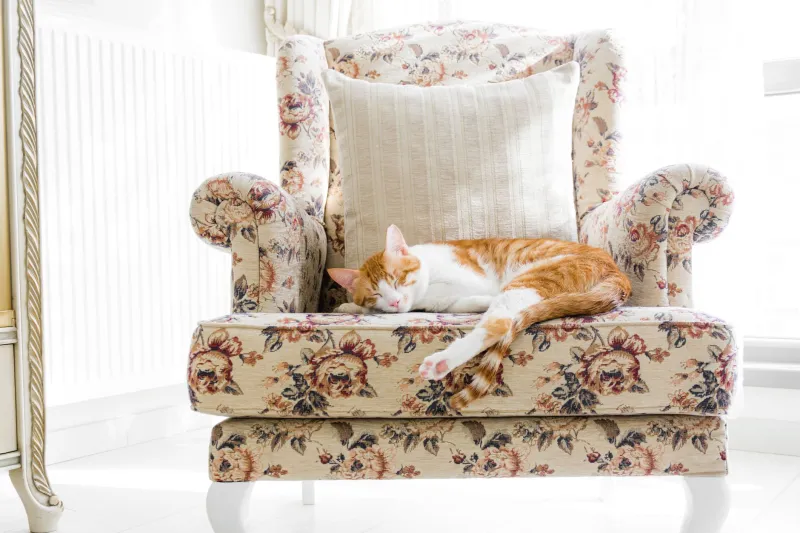
Photo: cane conservatory chair near radiator winter sunlight British home interior, via canemasters.com
By mid-November, most conservatories have that familiar split personality: chilly at the glass, almost tropical three feet in. The heating is on, the low sun is doing its afternoon thing, and the cane furniture is quietly taking the brunt of it. None of this is dramatic on a single day. The trouble is cumulative. Warmth that feels pleasant to a person can be a slow drying treatment for cane, rattan and the joints holding it all together.
Start with the heat sources you already have
Most people think about the radiator first, but a conservatory usually has more than one warm spot. There is the radiator under the window, the plug-in heater brought out for cold mornings, the wood burner at one end, and that low winter sun that turns the glass side into a greenhouse for two hours after lunch. Add a lamp close to a chair and you have a little microclimate that is warmer than the rest of the room.
A simple hand test helps. With the heating on and the room settled for half an hour, hold your palm where the cane actually sits: seat height, chair back, the top of a sofa arm. If it feels uncomfortably hot after five to ten seconds, the piece is too close to a heat source. Warm is fine. Hot to the touch is not.
Sensible distances for real British rooms
There is no single magic number, because a modern radiator, an old cast-iron one and a fan heater behave very differently. But practical rules of thumb work well:
- Radiators: leave at least 30–50cm between the radiator face and cane furniture. If the radiator runs hot for long periods, aim for 60cm. Never push a cane sofa directly against a radiator to save space; the back will dry out while the front stays cold.
- Plug-in heaters: keep at least a metre of clear air around panel heaters and fan heaters. For a fan heater, give it 1.5m if you can. Do not tuck one behind a chair or under a table and leave it running.
- Wood burners: follow the stove’s own clearance guidance first, then add a little more for cane. A metre to 1.2m from the stove body is a reasonable starting point, and further if the flue radiates heat sideways. Cane should never sit inside the hearth clearance zone.
- Low winter sun: this is about exposure rather than distance. If a chair sits in a direct beam for hours, move it 30–50cm out of the line or fit a blind. The glass magnifies the effect, even when the air outside is cold.
Why cane minds dry heat
Cane is a natural material, and it behaves like one. It likes a fairly stable environment. Direct, drying heat pulls moisture out of the fibres, and over time that can show up as splitting, loose bindings, creaking joints or a finish that looks tired and crazed. The damage rarely happens overnight. It builds over a winter of being parked beside a radiator, then another winter after that.
You do not need to turn the conservatory into a damp room. In fact, a hygrometer is a useful little buy here. Aim for roughly 40–50% relative humidity where you can, and avoid placing cane right next to a dehumidifier or a hot air vent. If the room feels dry to you, it is probably dry for the furniture too.
Arrange the room so warmth reaches people
The goal is not to keep cane cold. It is to put the warmth where it is useful. Think in three rough zones: a hot zone within about half a metre of a radiator or heater, a warm zone from there out to two metres, and a cooler zone near the glass. People should sit in the warm zone. Cane can live happily in the warm or cooler zone, just not in the hot one.
That often means changing the layout rather than buying anything new. Pull the sofa forward so it is not blocking the radiator. Put a slim console or plant stand in the hottest spot instead of a cane chair. Use a rug to define the seating area and move the occasional chair a little further into the room. If the conservatory is narrow, rotate pieces every few weeks so no single chair spends the whole winter beside the heat.
When the furniture cannot move far
Some conservatories are tight, and the radiator is exactly where the sofa has to go. In that case, soften the exposure. A radiator shelf sends some heat upward and away from the furniture. A heat deflector panel can help if it is fitted properly and does not block the radiator’s output. Blinds or a simple window film cut the worst of the low sun without making the room gloomy. And keep throws and cushions off the radiator itself; they trap heat and make the whole arrangement less safe.
A five-minute winter check
Once the heating has been on for an hour, walk round with your hand. Check the back of each cane piece, the seat, and the joints near the heat source. Look for new gaps, loose wraps or a chalky finish. If something feels hot, move it 20–30cm and check again next week. Small adjustments now are far easier than repairing a dried-out joint in spring.
A warm conservatory should feel like a place to sit, not a place where the furniture is quietly cooking. Give cane a bit of distance from the heat, let the warmth reach the people, and the room will stay comfortable without costing you a chair.