Leafy Neighbours, Happy Cane: A Conservatory Peace Treaty
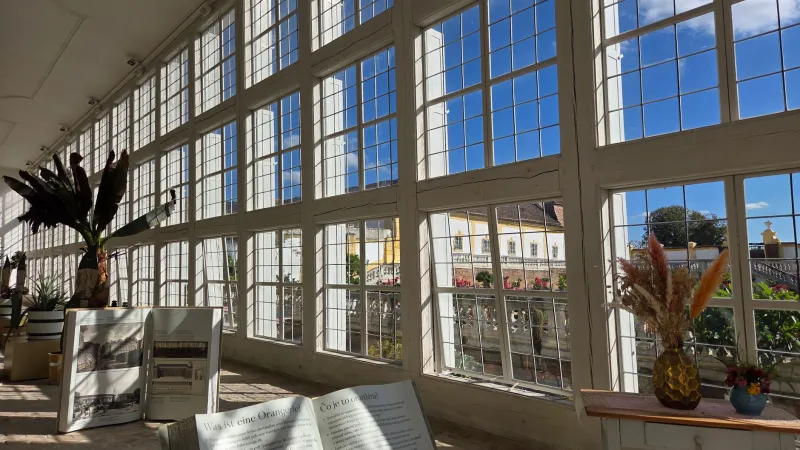
A conservatory with a cane sofa in one corner and a monstera in the other is one of those British domestic scenes that looks completely effortless. Light pours in, the cushions look inviting, and the plants add the soft green layer that stops all that glass feeling like a waiting room. The trouble is that plants and cane have very different ideas about water. Cane likes to be dry, or at least properly aired. Houseplants, by and large, like a drink and a bit of atmosphere. Put them shoulder to shoulder and the cane ends up paying for the plants' social life.
The good news is that this is not a reason to choose one over the other. It is a reason to set a few house rules. Think of it as a peace treaty between the leafy neighbours and the furniture: clear boundaries, sensible saucers, and a seasonal shuffle that keeps everyone on good terms.
Give the pots some personal space
Cane is not waterproof. It is a natural material, and the cut ends, joints and woven gaps are exactly where moisture likes to settle. A pot pressed tight against a chair leg creates a little microclimate where condensation can linger and spilled water cannot easily dry. Leave a hand's width or so between pots and cane wherever you can, and resist the urge to fill every gap with a fern simply because it looks good in a photograph.
A plant stand on castors is worth its weight in gold in a conservatory. It lets you move a heavy pot for watering, cleaning and the seasonal shuffle without dragging it across the floor or scraping the cane. If you have a long run of plants along the glass, consider a slim trolley or a low bench rather than a line of pots wedged directly against the sofa. The cane needs air moving around it, and so do the plant roots.
Saucers are not optional
Every pot needs a saucer that is actually bigger than the pot, not a decorative afterthought. Deep drip trays, gravel trays and old boot trays all do a better job than a pretty little dish that overflows at the first watering. Lift the pot slightly above the saucer with pot feet or a few sturdy pebbles so it is not sitting in its own drainage water. Then empty the saucer after watering. Not the next day, not when you remember. After watering.
This is the single most useful habit in a plant-and-cane conservatory. Most cane damage is not caused by a dramatic flood. It is caused by a saucer that quietly stays wet for a week, a pot that dribbles onto a chair leg, or a tray that is hidden behind a cushion. Check under pots weekly, especially in winter when the conservatory takes longer to dry out.
Water away from the furniture
Watering in situ is where accidents happen. Take the pot to the sink, or to a deep tray on the floor, let it drain properly, and only then return it to its spot. Bottom-watering is your friend here: stand the pot in a tray of water for twenty minutes or so, let it drink, then let it drain before it goes back beside the cane. It takes a little longer, but it keeps water out of the furniture and gives the plant a better soak.
If a large pot cannot be moved, use a long-spout watering can and a deep tray that extends well beyond the pot. Keep a folded towel or a small waterproof mat under the pot while you water, and move it away afterwards. Never mist plants directly above a cane chair. It feels like a harmless bit of plant care, but the fine spray settles on the cane and the cushions, and that is exactly the sort of damp that takes ages to dry.
Humidity is the quiet problem
British conservatories are humidity machines. Warm daytime air meets cold glass in the evening, condensation forms, and the whole room can feel clammy without anyone actually spilling a drop. Houseplants add to that humidity, especially when they are grouped closely together. Cane absorbs moisture through its surface and its joints, and repeated dampness can lead to swelling, stiffness and, in the worst cases, mould in the weave.
Keep an eye on the glass. If the windows are running with water every morning, that is not a rainforest, it is a warning. Open a vent or a door for a short burst of air, wipe the glass down, and move plants away from direct contact with cold panes. A cheap hygrometer can be surprisingly useful; you do not need to chase a perfect number, but you do want to notice when the room feels damp for days on end. Group plants for humidity, but keep the group away from the cane. Air gaps are not wasted space; they are what lets the furniture dry.
Deal with leaf clutter before it becomes a damp problem
Fallen leaves, dead flowers and spilled potting mix are part of living with plants, but they should not be allowed to settle into the cane. Wet leaves trapped in a woven seat or behind a cushion can hold moisture against the surface. A soft brush and a vacuum crevice tool once a week will do more good than an occasional deep clean. Brush dry, not wet. If something has spilled, remove the solid matter first, then blot with a barely damp cloth and let the cane air-dry completely before anyone sits on it.
Lift the cushions now and then. Check behind the sofa legs and under the plant pots. A dry brush is your best tool for the weave; a wet cloth pushed into the gaps can simply drive moisture deeper. If you use a watering can indoors, keep it on a tray rather than on the floor beside the cane, and wipe up drips as soon as they happen rather than waiting for the weekly clean.
The seasonal shuffle
Plants and cane both benefit from a twice-yearly move. In summer, shift pots back from the hottest glass so leaves do not scorch and saucers do not dry into crumbly rings. In winter, plants that need light can come closer to the window, but not touching the cold panes, and not pressed against the cane. Damp corners are not a good home for either. If a corner feels cold and clammy, it will not suit a fern, and it certainly will not suit a cane chair.
Autumn is the big one. Tender plants coming in from the garden should be checked for pests, dried off properly and kept away from the cane for a few days while you make sure they are not bringing damp or hidden water with them. Reduce watering through the colder months, empty saucers before they sit overnight, and use a wheeled caddy for heavy pots so you are not tempted to leave everything in the same spot all year. A small amount of shuffling now saves a lot of wiping and worrying later.
A five-minute weekly treaty check
- Empty every saucer and check for hidden water under pots.
- Brush fallen leaves out of cane seats and crevices before they go soggy.
- Wipe condensation from the glass and open a vent if the room feels clammy.
- Move any pot that is touching a cane leg or sitting on a damp patch.
- Lift cushions and look for drips, crumbs or leaf litter underneath.
The aim is not a sterile conservatory with no plants and no mess. It is a room where the green feels generous and the cane stays sound. A little space, a proper saucer and a regular five-minute check will keep the peace between your leafy neighbours and your favourite chair.