The Second-Life Test: Is Your Cane Conservatory Chair Worth Saving?
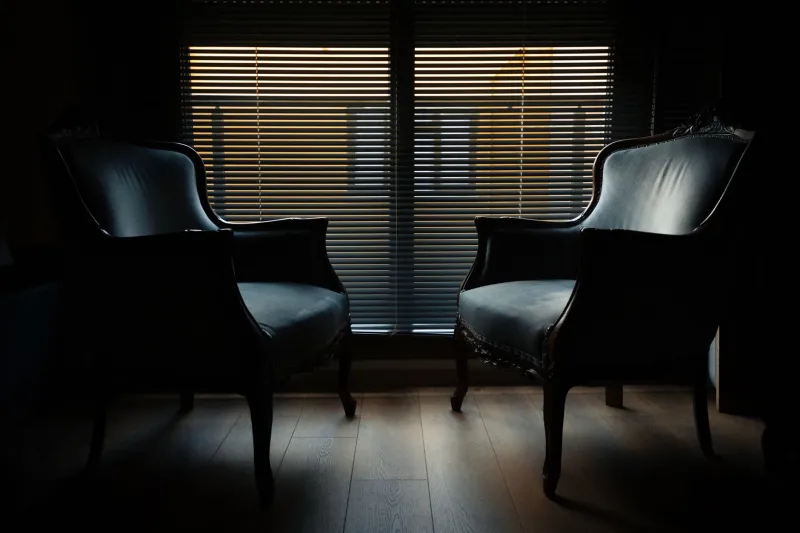
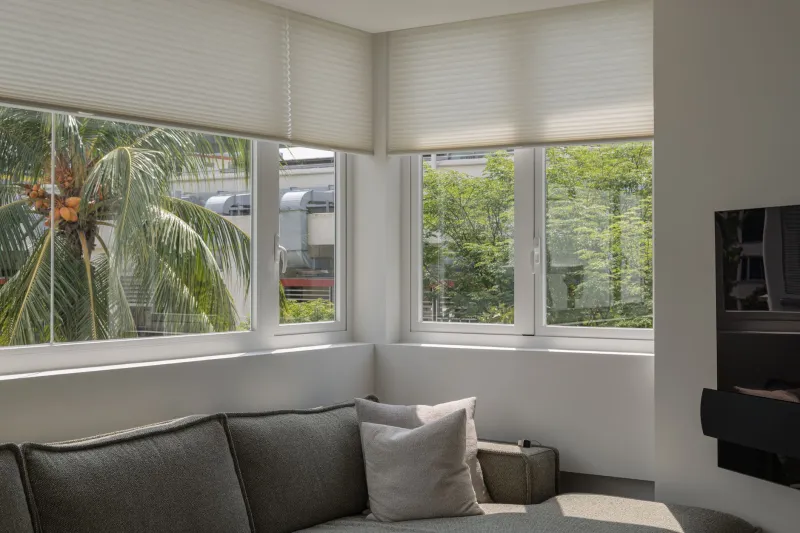
There is a particular kind of guilt that comes with a sagging cane chair in the conservatory. It was comfortable once, it has earned its place by the window, and now the seat dips a little too far when you sit down. You do not want to bin it, but you also do not want to throw good money after bad. The useful starting point is to separate cosmetic wear from structural failure. Cane is one of the more repairable furniture materials around, but not every chair is a sensible candidate for rescue.
Start with a ten-minute triage
Turn the chair upside down, or at least tip it forward, and look at the frame before you look at the weave. Press the seat gently. Wiggle the joints at the front legs and arm ends. Run a hand over the cane to find splits that catch your skin. Then look at the finish: is it simply dry and faded, or is the cane brittle enough to snap when flexed?
Think in three layers: frame, weaving and finish. The frame is the deal-breaker. If the frame is solid, most other faults are fixable. If the frame has cracked rails, rotten feet or joints that keep moving after a reglue, replacement usually makes more sense than a heroic repair.
The faults that usually deserve a fix
A sagging seat is the classic conservatory complaint. Often the cane webbing has stretched, or a few strands have broken and the load is being carried by fewer fibres. If the frame is sound, a reweave restores proper support. In 2026, a professional seat reweave for a standard conservatory armchair commonly falls somewhere between £150 and £350, depending on the pattern, the size of the seat and where you live. A DIY webbing kit can cost £30 to £70, plus your time and patience.
Split cane in non-structural areas is another good candidate. Small splits can be stabilised with a little wood glue and a clamp, though larger breaks on load-bearing strands need replacement. Do not ignore a split that catches clothing or pinches skin; that is a sign the cane is past its best in that spot.
Wobbly joints are often just old glue that has given up. Clean the joint, apply a suitable wood glue, clamp it overnight and see how it feels. A DIY reglue costs little more than a fiver for glue; a professional reglue is typically £40 to £100. Faded or dry finish is the easiest fault of all: a coat of Danish oil or hard wax oil every year or two will feed the cane and improve its resistance to the dry air of a heated conservatory. A basic kit is £15 to £30.
The faults that make replacement the kinder option
A cracked or rotten frame is the big one, especially where cane meets the floor or near conservatory doors where damp can linger. Multiple broken strands across both seat and back are also a warning sign, particularly if the cane feels brittle throughout rather than just in one worn patch. So is a chair that has already been badly repaired with screws driven through the cane; those fixes often create new weak points.
Mould that keeps returning is another reason to pause. Conservatories are humid places in a British winter, and cane that stays damp can develop mould deep in the fibres. If it comes back after proper cleaning and drying, replacement may be the healthier choice. Finally, be honest about a cheap frame. If the chair was never sturdy to begin with, a reweave may cost more than a like-for-like replacement and still leave you with a wobbly chair.
DIY or professional?
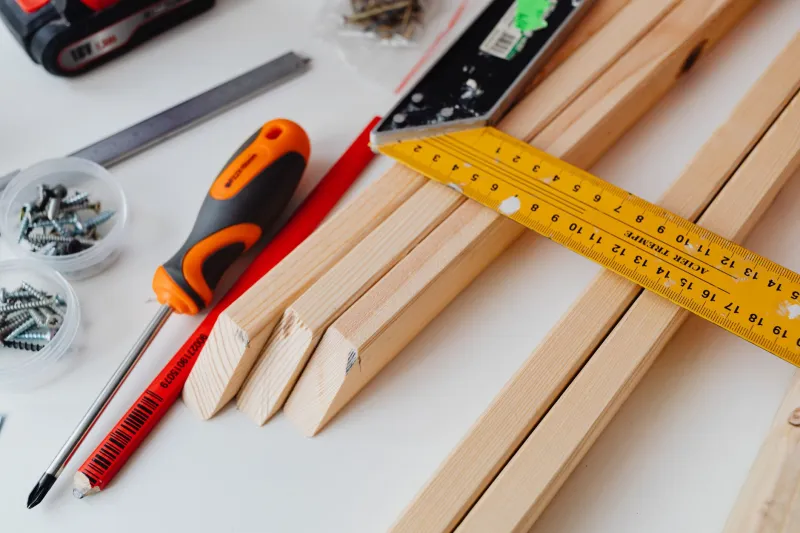
DIY makes sense if you enjoy this sort of thing, the fault is a simple reglue or finish, or you are reweaving a small drop-in seat. Pre-woven cane webbing is widely available and forgiving for a first attempt. Give yourself a weekend, watch a few good tutorials and do not rush the trimming.
Call in a professional if the pattern is complex, the chair is antique, the piece is sentimental, or you want a guarantee. Ask for an itemised quote, photos of previous work and a clear answer on whether they use pre-woven cane or traditional hand-caning. Hand-caning is slower and more expensive, but it is the right approach for older chairs where the original weave is part of the appeal.
The replacement maths
Replacement is not just the purchase price. It is delivery, disposal of the old chair and the risk that a new piece will not match the rest of your set. As a rough guide for 2026, a mid-range cane conservatory armchair sits around £200 to £450, while a cane sofa is more likely to be £600 to £1,200. A well-made frame at £500 or more can last for decades, which changes the calculation.
Compare the repair quote with the cost of a like-for-like new piece. If the repair is under half the replacement cost and the frame is sound, repair often wins. If the repair is 70 per cent or more of replacement and the frame is tired, replacement is usually the more sensible spend.
The sentimental clause
Some chairs are family. No spreadsheet can price the chair your grandmother read in, or the one that has watched every family lunch from the conservatory corner. A repair can be worth it even at near-replacement cost, provided the repairer is honest about how long the fix will last. Sentiment is a valid reason to repair, but it is not a reason to ignore a failing frame.
A simple verdict
Score the chair honestly. Give yourself two points if the frame is solid, two if the fault is limited to the seat or finish, two if the repair quote is under half the replacement cost and one if the chair is genuinely comfortable and fits the room. Add one for sentimental value. Then subtract three for a cracked or rotten frame, two for multiple structural faults and two if the repair is over 70 per cent of replacement cost.
A score of five or more points towards repair. Two to four is worth a second quote before you decide. Below two, replacement or repurposing is probably the kinder option.
After the fix: a little prevention
British conservatories swing in humidity, so keep repaired cane away from direct radiator heat and out of persistent damp. Use cushions to spread load, oil the frame annually and check joints after the heating season. A chair that has been properly reweaved or reglued can easily give another decade of comfortable service, which is usually the most sustainable outcome of all.