Promoted From the Conservatory: Which Cane Pieces Deserve a Room Indoors
Conservatories are generous rooms in theory and awkward ones in practice. They take up more floor space than we expect, collect every bit of garden light, and then ask us to arrange furniture around a door that always opens the wrong way. So when a cane chair starts to feel like it is in the way rather than in the room, the easy answer is to move it out. The better answer is to move it further in.
Cane furniture has a useful second act indoors. A conservatory chair that has spent years beside the glass can become a bedroom chair, a hallway perch, a bay-window reading seat or a quiet corner of a snug. But the rest of the house is not simply a smaller conservatory. The light is different, the heating is steadier, the traffic is closer and the styling has to work harder. Treat the move as a promotion, not a storage solution.
Start with the room, not the chair
Before you carry anything through the kitchen, look at where it might actually live. A bay window is the obvious first stop: cane’s open frame suits a spot that would feel crowded with a bulky armchair. A hallway can take a slim bench or a small chair, provided it does not become an obstacle course. Bedrooms suit a single easy chair for the pile of clothes that never quite makes it to the wardrobe. A snug can take a pair of cane chairs if the room is already warm and layered.
The room has to be able to spare the floor space. In British homes, that often means measuring the gap between the sofa and the radiator, or checking whether a chair will block a cupboard door. Cane is light enough to move, but it still needs breathing room.
The four house rules
Once cane crosses the threshold, four things change.
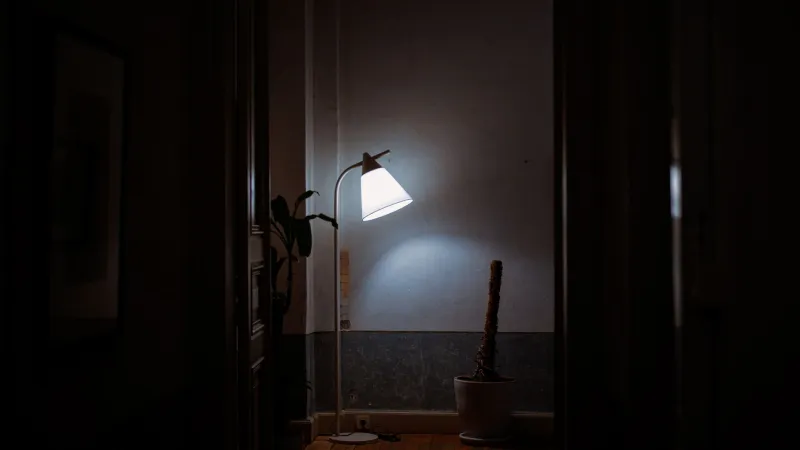
Light. Conservatory cane is used to bright, shifting daylight. Indoors it may sit in a north-facing hall or under a warm lamp. Honey-coloured cane can look orange in a dark corner; pale cane can disappear against a cream wall. Take a cushion or a sample of the frame colour and hold it in the new spot at different times of day. If it looks flat, a rug and a table lamp will do more than another coat of polish.
Heat. The glass room swings from warm to chilly; the rest of the house is usually drier and more stable. Cane likes that stability, but it does not like being parked against a radiator or a log burner. Keep a hand’s width of clearance and avoid putting a chair directly in front of a heat source.
Traffic. Hallways and snugs are busier than a conservatory corner. Check joints and feet before the move. A delicate lattice chair may be fine beside a window, but it is a poor choice for a hallway where coats and bags land. Felt pads under the feet will protect wood floors and make the chair easier to nudge.
Styling. Indoors, cane needs to look like furniture rather than garden overspill. That means proper cushions, a wool throw, a side table and a lamp — not the faded outdoor pad it used for summer. Keep the palette calm. Linen, wool, aged brass and soft green all sit well with cane without turning the room into a themed tropical bar.
Which pieces travel well
The best candidates are the simple ones: a neat armchair, a small side table, a plant stand, a bedroom chair, a shallow hall bench. Look for tight joints, dry feet and cane that is intact rather than sun-bleached and brittle. A piece that has faded evenly can still work indoors, but one with splitting cane or a wobble is better repaired first or left where it is.
Large modular cane sofas are harder to place. They often need the wide, bright space of a conservatory to avoid dominating a sitting room. The same goes for deep loungers and anything with a built-in footstool. If a piece only works when it has a garden view, it has probably already found its home.
Room-by-room notes
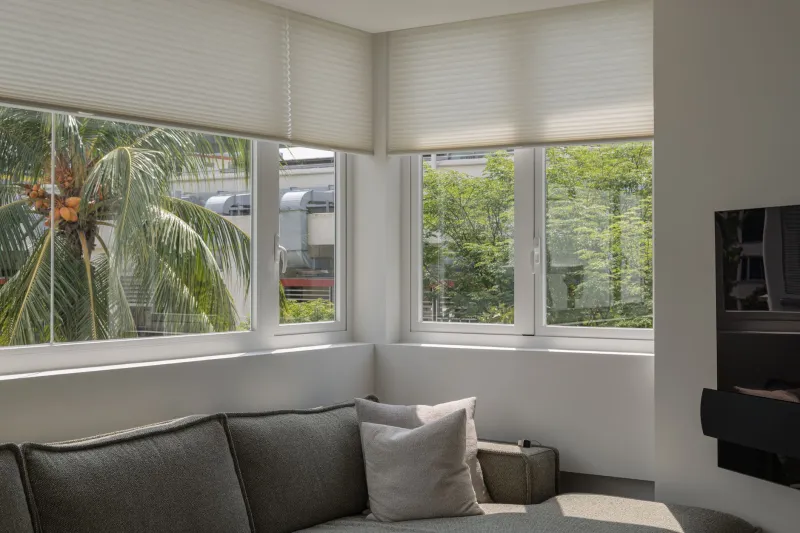
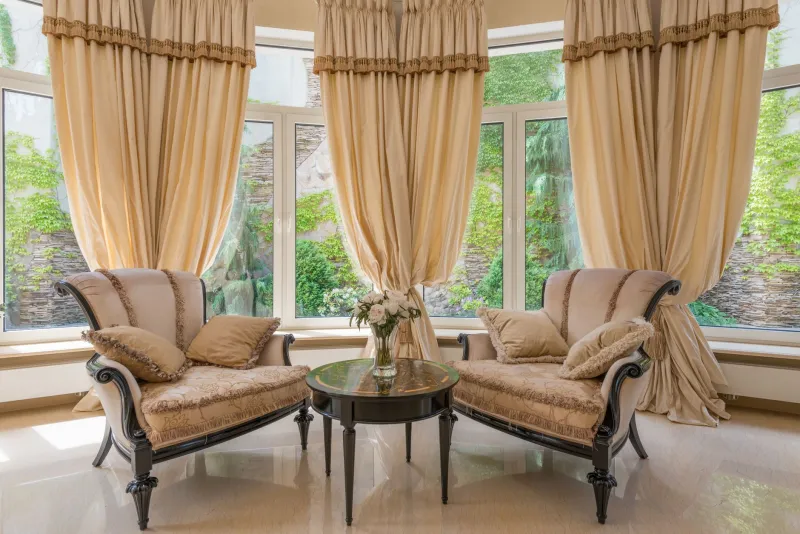
In a bay window, a single cane chair and a small table make a generous reading spot. Watch direct sun, which can fade cushions and dry the cane over time; a sheer blind is usually enough. In a hallway, choose a bench or chair with a shallow seat and a sturdy frame, and keep it clear of the door swing. In a bedroom, a cane chair earns its keep as a place for tomorrow’s clothes and a cup of tea. In a snug, two cane chairs can soften a room that is all sofa and television, but leave space to walk.
Make the move deliberate
Clean the piece before it comes in, tighten any loose screws and check the feet. Measure the doorways, because a chair that fits the room may not fit the turn into it. Once it is in place, live with it for a week before adding more. Cane is at its best when it looks as though it has always been there — a little worn, a little light, and entirely at home.
The conservatory can lend its furniture to the rest of the house. You just have to choose which pieces have earned the move.